

Why EV charger planning Baltimore commercial properties matters this week
Commercial EV charging in Baltimore comes down to three questions: Can your electrical panel handle it? Should you install Level 2 or DC fast chargers? And who will actually use them, employees, tenants, or a fleet? Answer those before requesting an estimate, and your project stays on time and on budget. The best time to sort this out is fall, before spring installation schedules fill up.
Fall is a smart time to plan commercial EV charging for your Baltimore property, budgets are being set, and getting ahead of it now means fewer surprises later. This guide covers what to ask before requesting an estimate. Electrical work should always be assessed and installed by a licensed contractor; this article is here to help you prepare for that conversation.
Why Fall Is a Good Time to Plan Commercial EV Charging
Late summer and early fall are when a lot of property owners start reviewing capital projects for the year ahead. It’s a natural pause between the busy summer season and the year-end rush, which makes it a good window to look at workplace EV charging or fleet EV charging infrastructure before your schedule fills up again.
Planning early gives you more room to compare options, get accurate electrical capacity assessments, and budget properly. Waiting until spring, when installers and inspectors get busier, often means longer lead times and fewer scheduling choices.
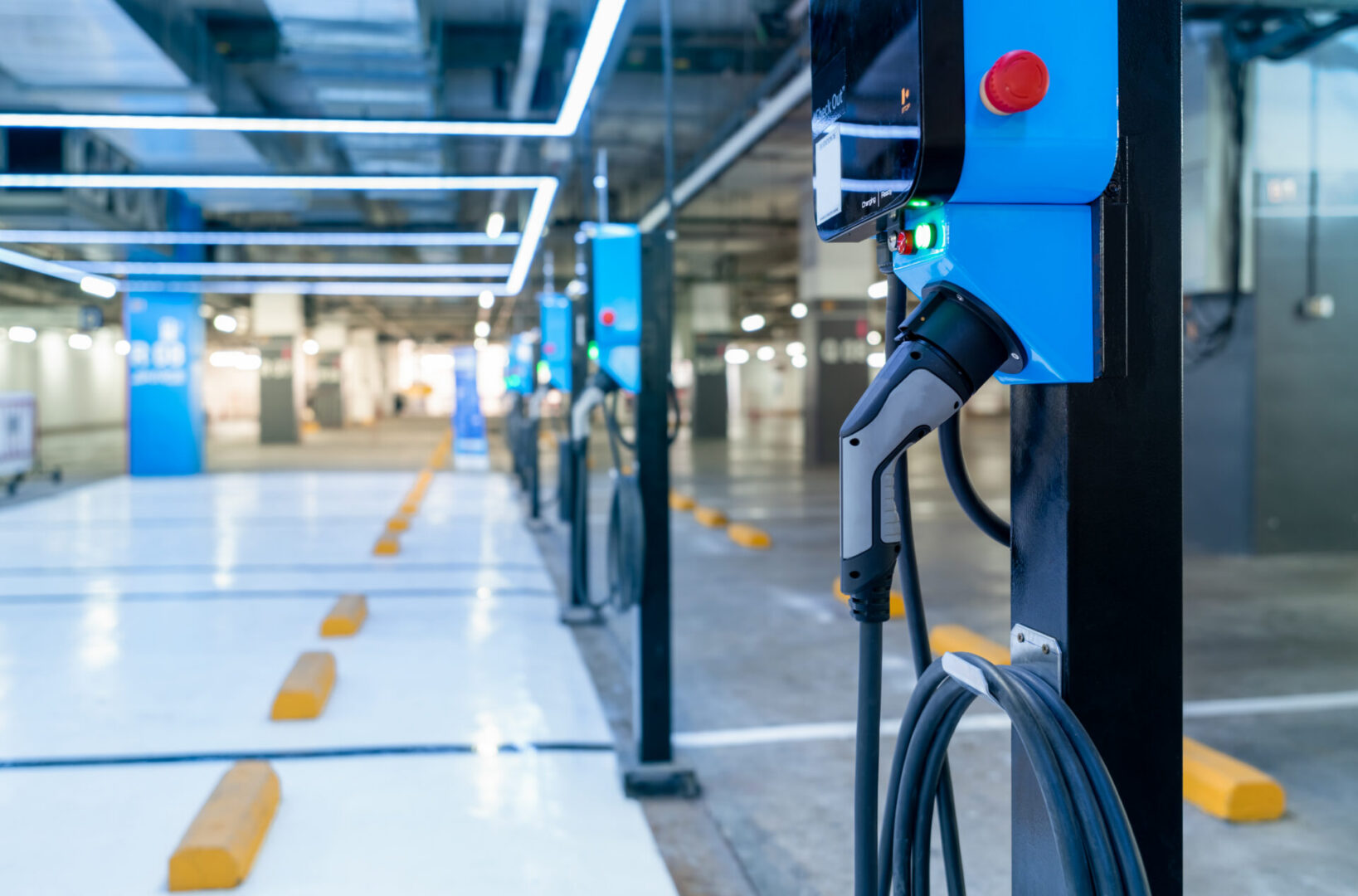
Start With Your Goal, Not the Equipment List
It’s easy to jump straight to “how many chargers do I need,” but the better starting point is: what problem are you trying to solve?
Are you trying to:
- Attract or retain tenants who drive electric vehicles?
- Support a company fleet transitioning to EVs?
- Meet upcoming code requirements for new construction or renovations?
- Offer charging as an amenity for employees or customers?
Each of these goals points to a different setup, different charger types, different locations on the property, and different electrical capacity needs. Getting clear on the “why” first makes every decision after that much easier, including the conversation you’ll eventually have with an electrical contractor.
Key Questions to Ask Before Requesting a Commercial EV Charger Estimate
Once you know your goal, these are the practical questions worth answering before you call for a quote:
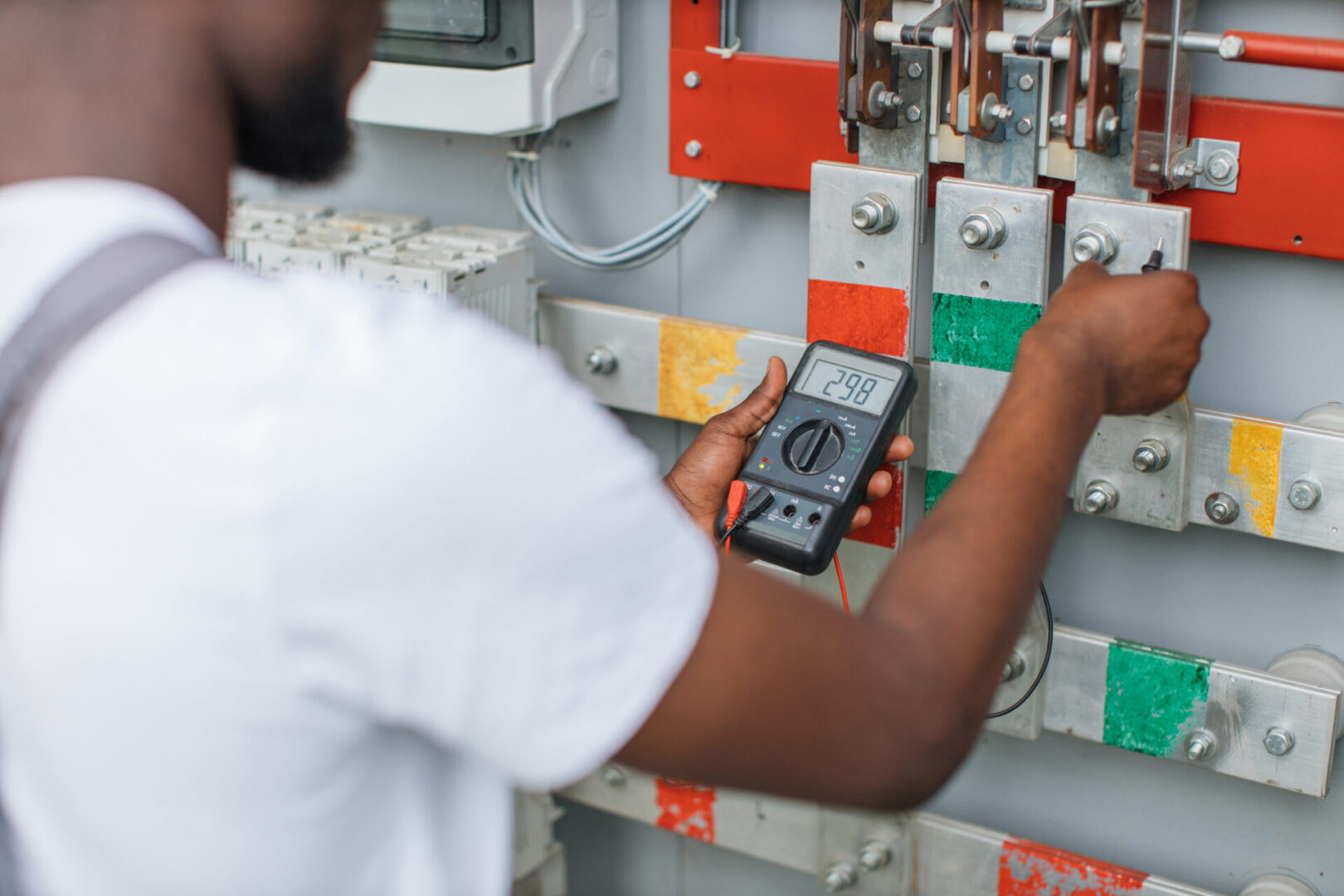
Does your property have the electrical capacity? Many older commercial buildings weren’t built with EV charging in mind. An electrical capacity assessment (sometimes called a load study) tells you whether your existing panel and service can support new chargers, or whether an upgrade is needed first.
Level 2 or DC fast charging? Level 2 chargers are the most common choice for workplaces, apartment complexes, and retail parking lots, they’re more affordable to install and fit most daily-use cases. DC fast charging is faster but costs significantly more and is typically reserved for high-traffic locations like fleet depots or highway-adjacent retail.
Who will actually use the chargers? Employees, tenants, customers, or a company vehicle fleet each have different usage patterns. This affects how many charging stations you need and where they should be placed.
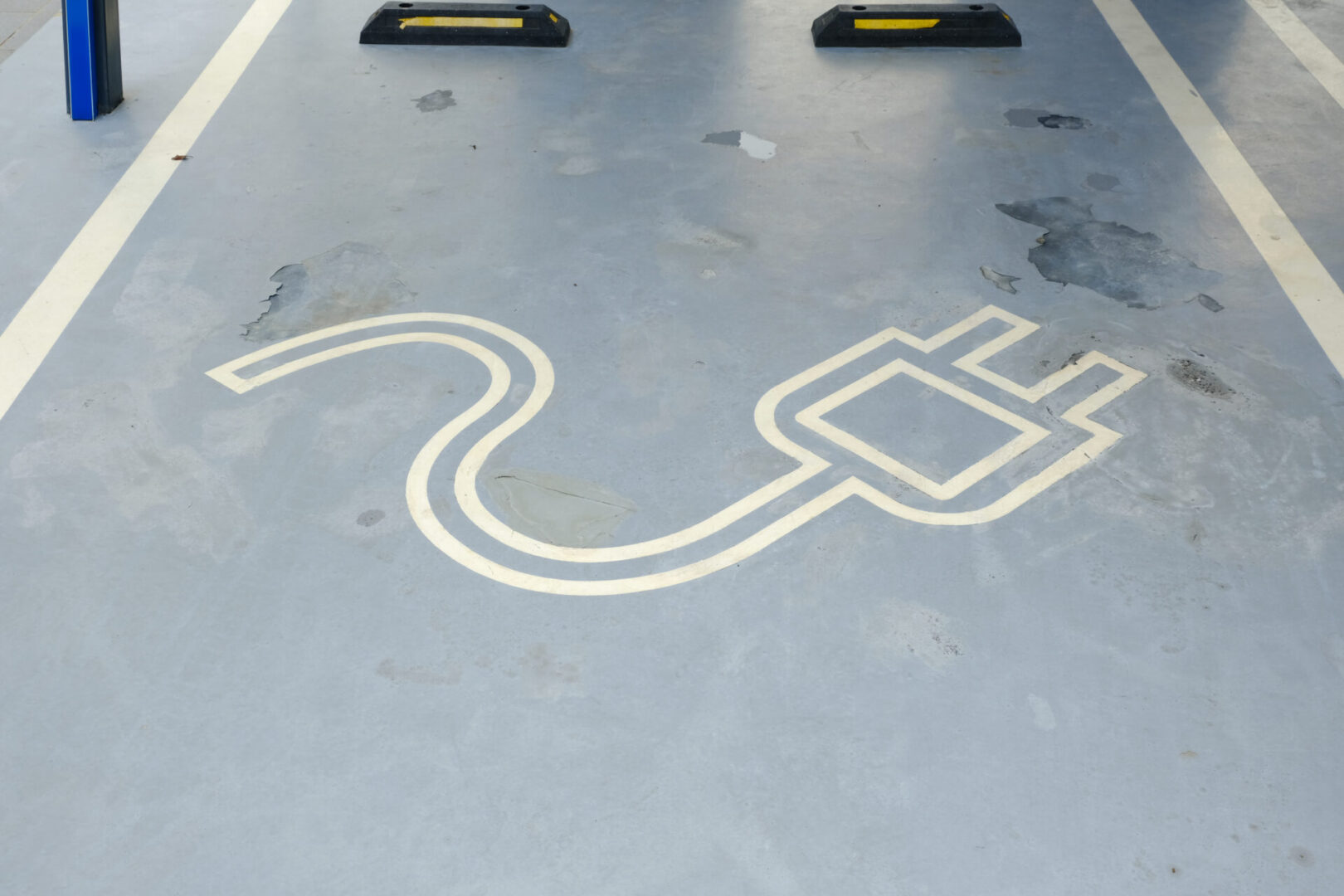
Are there ADA compliance requirements? Commercial EV charging installations often need to meet accessibility standards for parking space layout, signage, and charger placement. This is worth confirming early, especially for public-facing properties.
What’s the realistic budget and timeline? Costs vary widely depending on how much electrical infrastructure work is needed, the number of stations, and permitting timelines in your jurisdiction. A rough estimate upfront helps you plan capital spending without guessing.
Common Mistakes Baltimore Property Owners Make
Waiting until it’s urgent. Property owners who wait until a tenant or client specifically demands EV charging often end up with fewer options and rushed timelines. Planning ahead gives you more flexibility.
Choosing based on price alone. The cheapest quote isn’t always the right fit if it doesn’t account for future capacity, additional charging stations down the road, or code compliance. Ask what’s included and what isn’t.
Overlooking the electrical panel. It’s tempting to focus only on the chargers themselves, but the panel, wiring, and available capacity are usually the bigger factor in cost and timeline. Skipping this assessment is one of the most common (and expensive) planning mistakes.
How to Prepare for Your EV Charger Consultation
Before contacting an electrical contractor, a little preparation goes a long way:
- A rough idea of how many chargers you want now, and how many you might want in the future
- Recent electrical bills or panel information, if available
- Photos of your electrical panel and proposed parking/charging area
- Your general budget range and timeline
- Any known code or accessibility requirements for your property type
You don’t need every answer figured out. Even a short list of goals and constraints makes the first conversation with an electrical contractor much more productive.
Internal resources worth reviewing
Readers who want to keep learning can review related pages on the McDaniel Electrical Construction website. These links should help them move from a general blog topic to the specific service, menu, contact, or consultation page that matches their goal.
Use the internal links naturally rather than forcing every page into the article. The most useful link is the one that answers the reader’s next question.
- Commercial Electrical Services
- Electrical Construction Services
- EV Services
- Safety and OSHA
- Contact McDaniel
FAQ: Commercial EV Charger Planning in Baltimore
Is now a good time to plan EV charger installation for my commercial property
Yes. Fall capital planning season gives you a natural window to review your options before schedules fill up in spring, when demand for electrical contractors tends to increase.
What should I prepare before contacting McDaniel Electrical Construction?
Bring your goals (tenant amenity, fleet charging, code compliance, etc.), a rough budget and timeline, and any photos or details about your property’s electrical panel.
Can I figure out everything I need from a blog post?
This guide can help you ask better questions, but the right setup depends on your property’s electrical capacity, intended use, and local code requirements, which is why a professional site assessment matters.
What’s the safest first step if I’m not sure where to start?
Request a consultation or electrical capacity assessment before assuming what your property needs. That avoids rushed decisions and unexpected costs later.
Ready to Plan Your Commercial EV Charging Project?
Contact McDaniel Electrical Construction or call (410) 303-8453 to discuss a safe, code-compliant EV charging plan for your Baltimore commercial property.