

Fall is when most Maryland commercial properties see the biggest jump in electrical demand, new tenants moving in, buildouts starting, and HVAC systems running longer. The properties that run into trouble are usually the ones that scheduled electrical maintenance by the calendar instead of by what’s actually changing on-site. The safer approach is to time your review around tenant turnover and buildout plans, not a generic fall checklist.
If your building has any tenant changes, buildouts, or added equipment planned this fall, your electrical system needs to be part of that planning, not an afterthought once the work is already underway. Electrical work should always be assessed and performed by a licensed contractor; this guide is here to help you know what to raise with them and when.
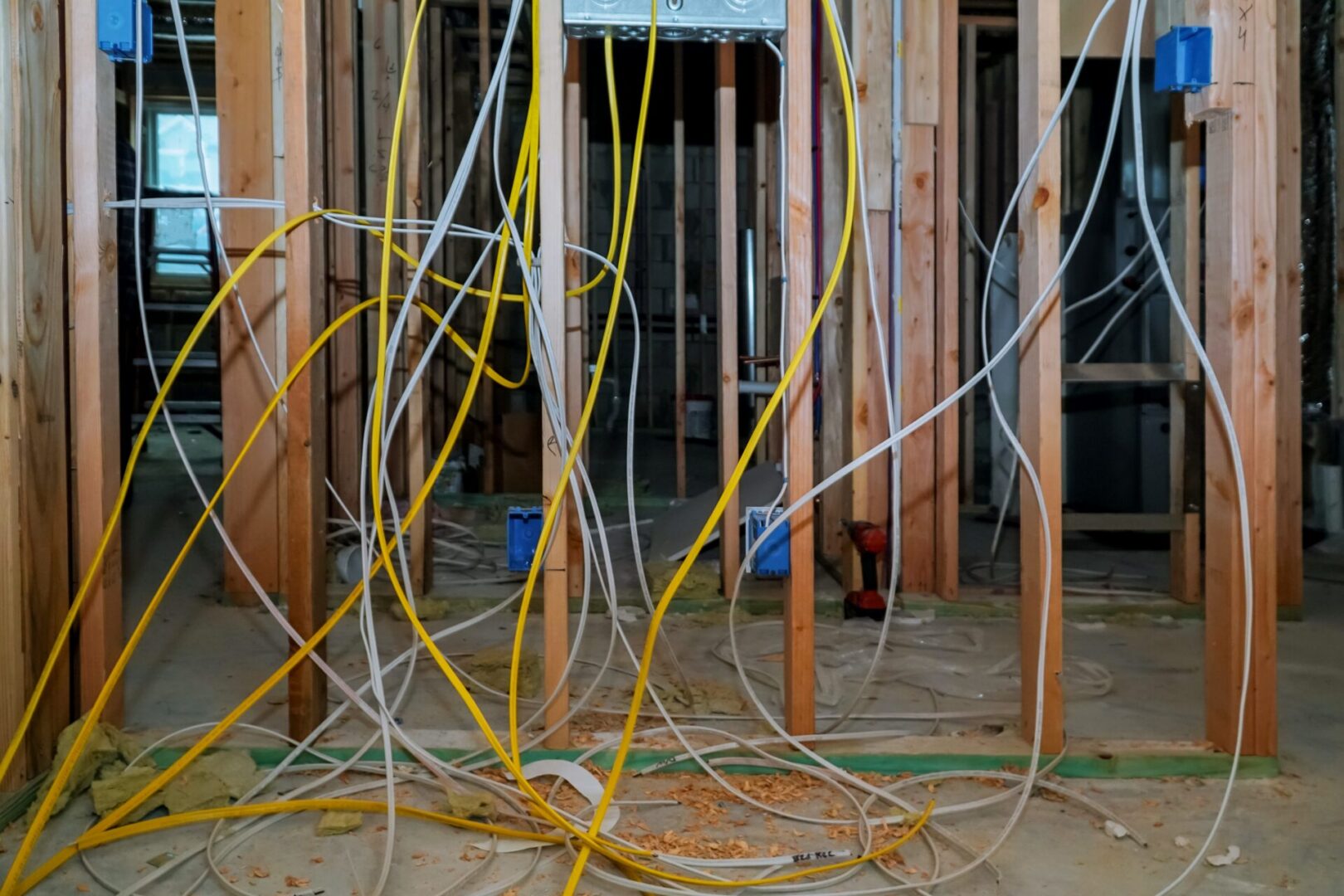
What Actually Changes Electrically When Fall Arrives
It’s easy to think of fall electrical maintenance as a routine, once-a-year task. In practice, the bigger risk isn’t the season itself, it’s what tends to happen during it. New tenants move in and bring their own equipment. Existing tenants renovate their space. HVAC systems shift from occasional use to running most of the day. All of that adds load to a system that may not have been sized with that increase in mind.
A building that handled summer fine can still run into breaker trips, panel strain, or capacity issues once several of these changes stack up at the same time. That’s why the right question isn’t “is it fall yet” it’s “what’s changing at my property this fall.”
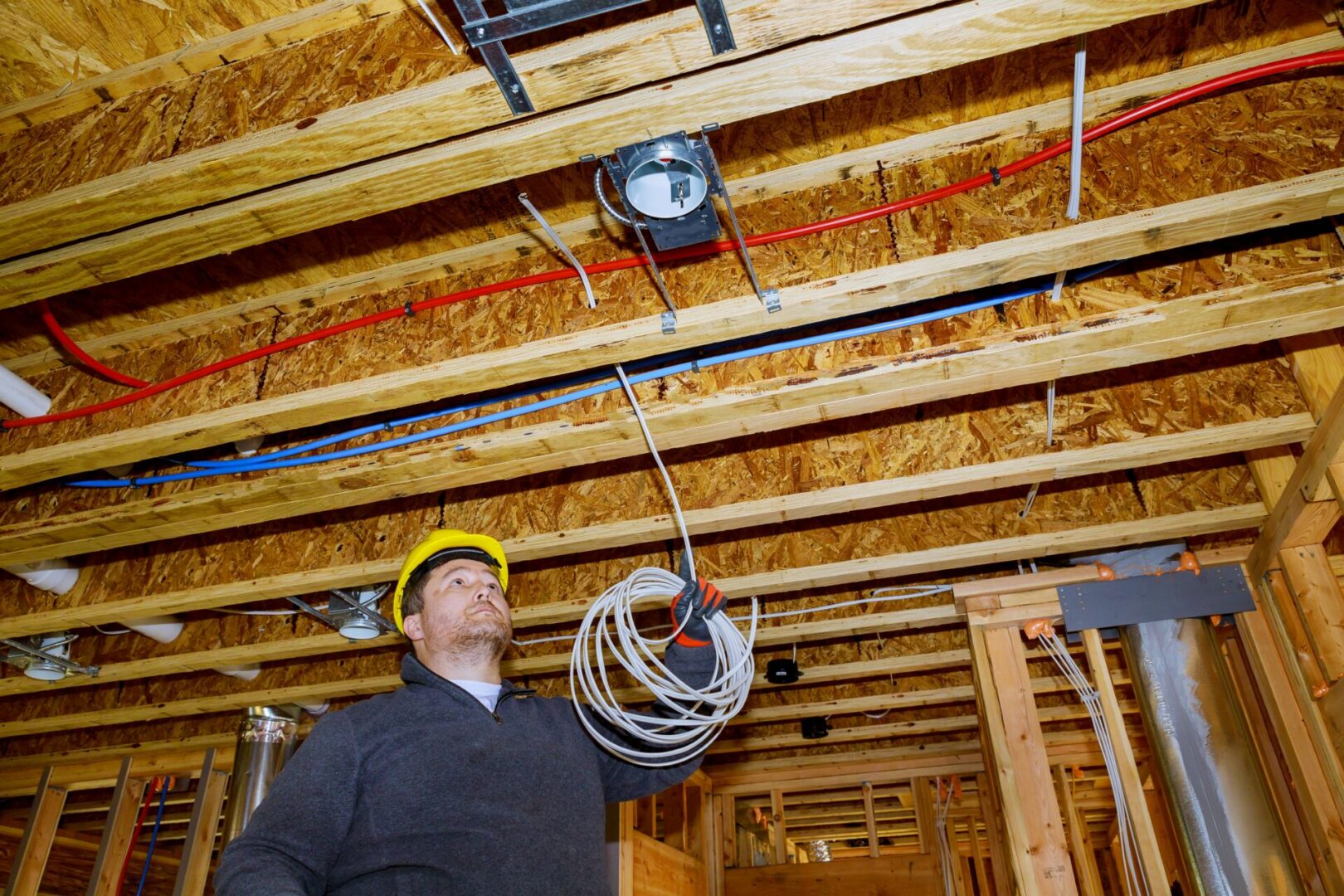
Tenant Turnover Is the Biggest Blind Spot
Of all the fall changes property managers deal with, tenant turnover is the one most likely to catch an electrical system off guard. A new tenant’s buildout plans, equipment list, or space layout often gets finalized before anyone checks whether the existing electrical capacity actually supports it.
This is worth catching early, because retrofitting electrical capacity after a buildout has started is far more disruptive, and expensive, than confirming capacity beforehand. A short conversation with your electrical contractor before lease terms are finalized can prevent a much bigger conversation later.
Time Your Review Around Your Lease Calendar, Not the Calendar Year
Rather than scheduling electrical maintenance on a fixed yearly date, it often makes more sense to tie it to your property’s actual activity: an upcoming lease turnover, a planned buildout, or a noticeable increase in equipment or occupancy.
Ask yourself:
- Is a new tenant moving in or a lease renewing this fall?
- Is any buildout or renovation planned, even a small one?
- Has equipment, signage, or HVAC use increased recently?
- Has it been more than a year since the panel was last inspected?
If the answer to any of these is yes, that’s a better trigger for a maintenance review than simply “it’s September.”

What a Contractor Actually Looks At During a Review
A commercial electrical review typically isn’t just a visual walkthrough. Depending on your property’s age and history, it can include checking panel and breaker condition, testing for loose connections or overheating (often with thermal imaging), and confirming that current capacity matches actual and planned load, including anything a new or existing tenant is bringing in.
The goal isn’t to find a problem for the sake of it. It’s to catch the kind of wear or capacity gap that’s inexpensive to address now and expensive to deal with after a breaker trips during a tenant’s first week in a new space.
If You Only Do One Thing This Fall
If your schedule is tight, the single highest-value step is this: before finalizing any new tenant’s buildout plans or signing off on added equipment, confirm your panel has the capacity to support it. That one check prevents the majority of fall-related electrical issues property managers run into, flickering circuits, tripped breakers, or a buildout that stalls because the electrical work wasn’t scoped correctly from the start.
Explore More From McDaniel Electrical Construction
- Commercial Electrical Services
- Electrical Construction Services
- Safety and OSHA
- EV Services
- Contact McDaniel Electrical Construction
FAQ: Fall Electrical Planning for Maryland Commercial Properties
Should I schedule electrical maintenance before or after a new tenant moves in
Before, if possible. Confirming electrical capacity ahead of a buildout is far less disruptive than addressing a shortfall after construction has already started.
What should I prepare before contacting McDaniel Electrical Construction?
Notes on any upcoming tenant changes, buildouts, or equipment additions, plus your last inspection date if you have one.
Is this the same as a routine preventive maintenance checklist?
Not exactly. This is about timing your review around actual changes at your property, tenant turnover, buildouts, added load, rather than a fixed annual checklist.
What’s the safest first step if a lease or buildout is already in motion?
Contact an electrical contractor as early as possible, even if plans aren’t finalized. Early input is easier to work with than a last-minute capacity issue.
Ready to Plan Ahead of Fall Tenant Changes?
Contact McDaniel Electrical Construction or call (410) 303-8453 to review your electrical capacity before your next tenant turnover or buildout.