

Before an EV charger project can be scoped or priced, your contractor needs a clear picture of your space, and that starts with a site walkthrough, not an estimate request. Showing up prepared with the right documents and answers speeds up that first meeting and leads to a more accurate scope of work.
If you’re planning EV charger installation, a lighting upgrade, a tenant improvement, or any new equipment addition, the walkthrough is where the real planning starts. Electrical work should always be assessed and performed by a licensed contractor, this guide is here to help you prepare for that conversation, not replace it.

Documents Worth Gathering Before the Walkthrough
You don’t need to be an electrician to gather useful information ahead of time. Whatever you can pull together from the list below helps your contractor scope the project more accurately on the first visit:
- Electrical drawings or as-builts, if your property has them on file
- Panel schedules, showing what’s currently connected to each circuit
- Equipment specifications for anything new you’re planning to add, including EV chargers
- Recent maintenance records or inspection notes, if available
- Site or floor plans showing where chargers, equipment, or lighting changes are planned
If you don’t have all of these, that’s normal, bring what you have. A contractor can often work with partial information and fill in gaps during the walkthrough itself.
Questions Your Contractor Will Likely Ask
A good walkthrough is really a conversation. Expect your contractor to ask about:
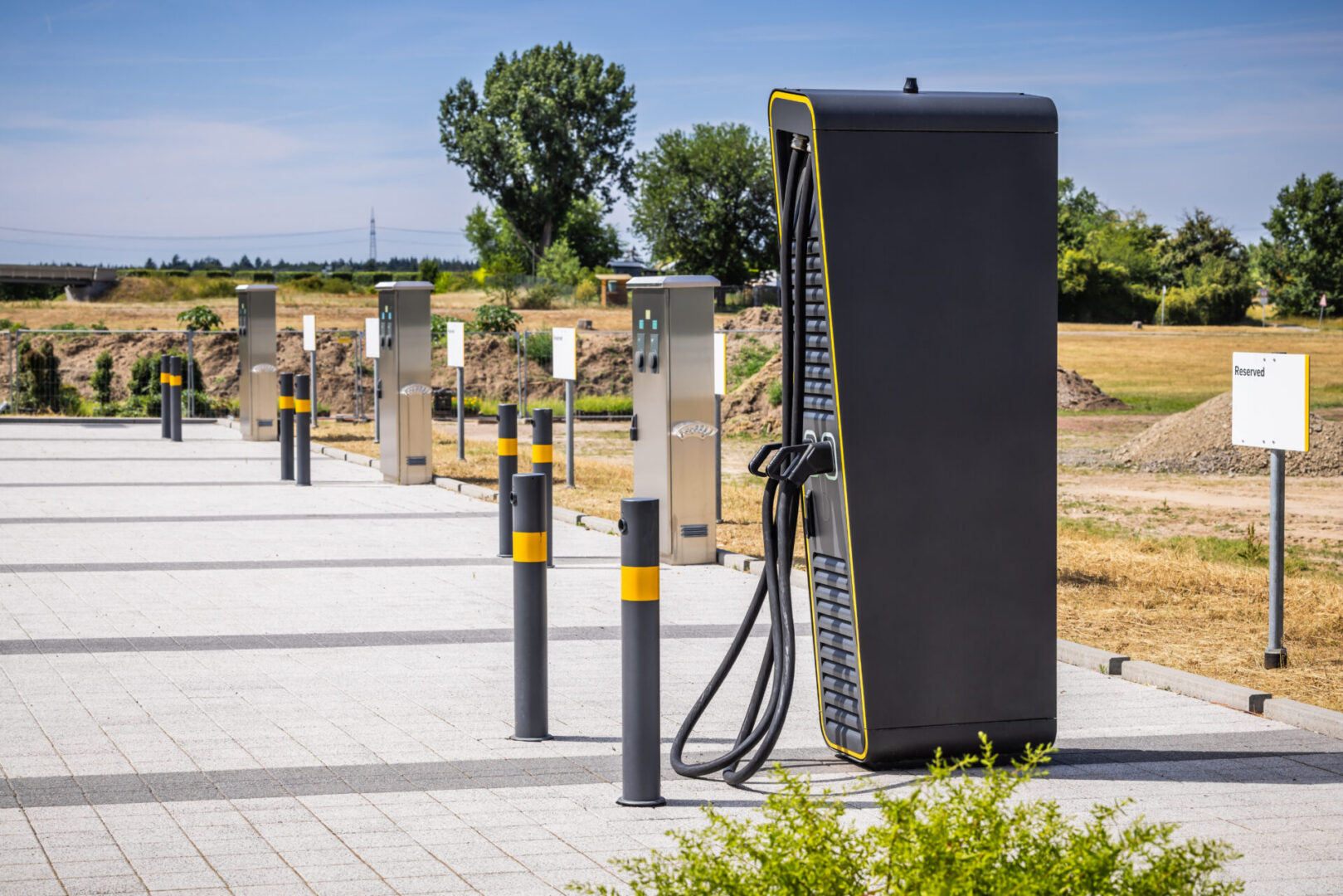
- What’s changing in the space. Is this a new tenant buildout, an equipment upgrade, or new EV charging stations being added to an existing lot or garage?
- What the new load looks like. How much power will new equipment or chargers draw, and does your existing panel capacity support it?
- Operating hours and sensitive equipment. If your business runs during set hours, or if certain equipment can’t lose power without disruption, that shapes how work gets scheduled.
- Access and phasing needs. Ceiling access, parking area access, or the need to phase work around tenant schedules can all affect timeline and approach.
- Future expansion. If you might add more chargers or equipment down the road, it’s worth mentioning now, it can change how the current project is scoped.
Coordinating With Tenants and Other Trades
For commercial properties, the walkthrough often surfaces more than just electrical questions. If other trades are involved, HVAC, general contractors, or a tenant’s own buildout team, coordination matters just as much as the electrical scope itself.
Bring notes on any known shutdown windows, tenant deadlines, or scheduling constraints. If a tenant improvement or lease timeline is driving the project, mention that early. It’s much easier to plan phased electrical work around a known deadline than to react to one after the fact.
What to Leave to the Professionals
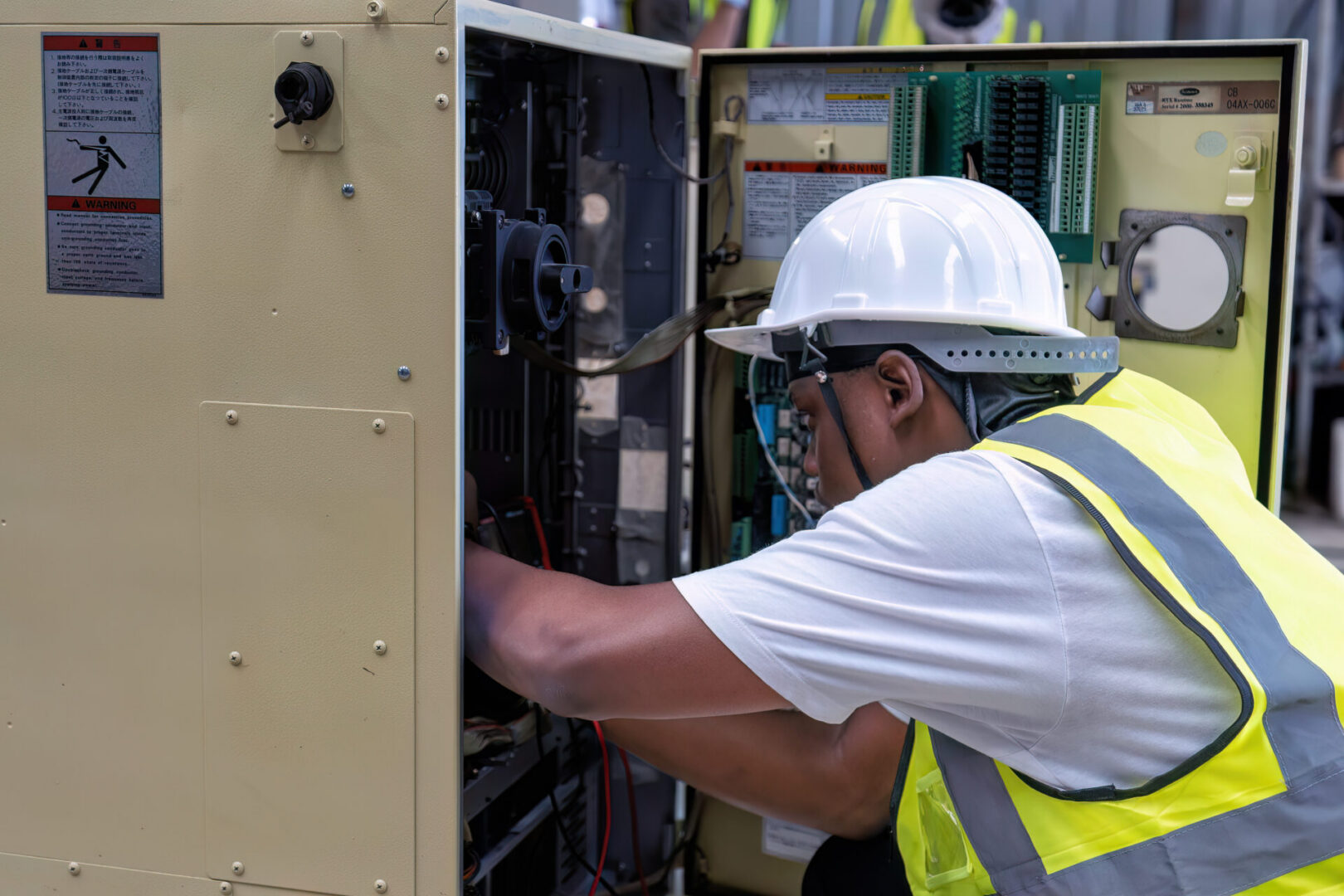
It’s worth saying clearly: gathering documents and preparing questions is something any property owner or manager can do. Opening panels, evaluating live circuits, or making code and permitting decisions is not. Those steps depend on your specific property, jurisdiction, and the actual scope of work, and they should be handled by a licensed electrical contractor, not guessed at beforehand.
If you’re unsure whether something needs professional attention, it’s safer to bring it up during the walkthrough than to assume it’s fine.
Why Getting This Right Early Matters
A walkthrough that starts with good information tends to lead to a more accurate estimate, fewer change orders, and a smoother project overall. Lead times for equipment, permitting steps, and coordination with tenants or other trades are all easier to plan for when they’re identified early, rather than discovered partway through the job.
This is especially useful for Maryland and Baltimore-area businesses that need to keep operations running while upgrades happen. The more clarity you bring to that first conversation, the less disruption the project causes down the line.
Explore More From McDaniel Electrical Construction
- Commercial Electrical Services
- Electrical Construction Services
- EV Services
- Safety and OSHA
- Contact McDaniel Electrical Construction
FAQ: EV Charger Readiness and Site Walkthroughs
When should I schedule a walkthrough instead of just requesting a quote? As soon as you have a general idea of the project, you don’t need every detail finalized. A walkthrough often produces a more accurate estimate than a quote based on a phone call alone.
What should I prepare before contacting McDaniel Electrical Construction? Gather any drawings, panel schedules, or equipment specs you have, along with notes on timing, tenant deadlines, and your main goal for the project.
Can I evaluate my own electrical panel before the walkthrough? No, leave panel inspection and any work on energized equipment to a licensed professional. You can gather documents and information, but not perform the inspection yourself.
What’s the safest next step if I’m not sure what my project needs? Request a walkthrough or consultation before assuming what’s required. A professional review helps identify what needs deeper evaluation before pricing or scheduling begins.
Ready to Schedule Your Site Walkthrough?
Contact McDaniel Electrical Construction or call (410) 303-8453 to schedule a walkthrough for your EV charger project or electrical upgrade.